
Study Tour
Click:
Time:2022-05-10 00:00:00

Study Tour represents one of the most traditional forms of learning and education across civilizations worldwide. In the context of modern education, the study tour emerged and matured in the 20th century amid global peace trends and advancing globalization as an international cross-cultural experiential learning model.
A study tour embodies the ancient philosophy of “Read ten thousand books and travel ten thousand miles”. During a study tour (typically lasting 1 to 4 weeks), students travel overseas to attend language courses, visit prestigious local universities, stay at campus accommodation or with host families, and tour major cities and famous landmarks. It truly integrates academic learning with travel experience.
The spirit of the study tour originates from Confucius. His pursuit of knowledge while travelling across ancient states laid the foundation for the modern concept of the study tour.

'Study Tour' means leaving one’s familiar surroundings to study and explore in a brand-new environment. It is neither pure tourism nor simple classroom learning. Participants gain subtle insights into life during learning and absorb knowledge through experience. The essence of a study tour lies in cultural integration. It serves as an excellent way for participants to broaden their horizons, develop an international perspective and build a resilient worldview.
Types
- 1.Language Study Tour: Centered on language acquisition. Participants learn English, Japanese, Korean, Thai and other languages while sightseeing. English study tours are the most popular among this category.
- 2.Special-interest Study Tour: Participants travel to different countries to learn distinctive local skills. This type of study tour requires a certain level of professionalism. Examples include learning Thai cuisine in Thailand, wine making in New Zealand, and yoga in India.
- 3.Academic Study Tour: Focused on expanding professional knowledge, improving vocational skills and keeping up with the latest international developments in relevant fields. Activities include expert lectures, interactive academic exchanges, professional practice and site visits to leading international enterprises. Combined with sightseeing, participants can gain first-hand experience of exotic local culture.
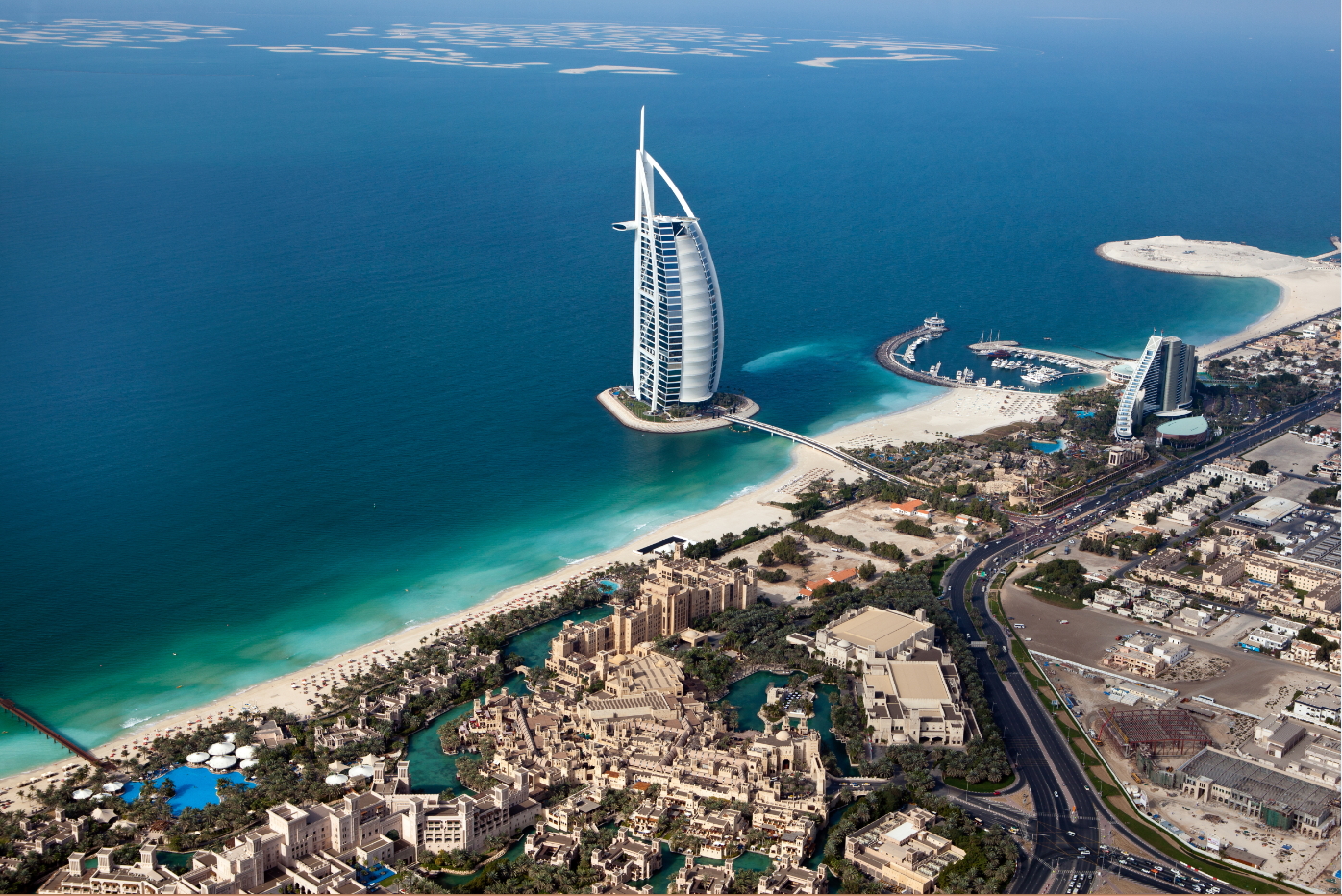
4.Custom Study Tour: A tailor-made study tour plan designed according to individual requirements, including destination country, learning content and travel schedule. It has become the most popular type of study tour nowadays.
Objectives
A study tour is by no means about indulgence; rather, it is a form of perception and a life experience. By engaging with internationalisation and taking part in global activities, participants get to immerse themselves in local customs and foreign cultural environments overseas for roughly two weeks to six months. This experience hones their life resilience and enhances their independence. It builds intangible assets for their life journey, broadens their experience and vision, and cultivates a global mindset. In addition, it lays solid groundwork for future overseas study and leaves them with unforgettable memories, allowing them to fully appreciate the joy of harmonious coexistence between humans and nature.

Study tours — for Chinese teenagers in today’s globalised world — can be regarded as their first response to “the call of the distant land”. The distant land is first and foremost a spatial concept, yet it also carries a dimension of time, and more importantly, it belongs to the heart and spirit. In other words, the distant land refers to the world outside us, the world of the future, and above all, the world within our souls.
Benefits
- 1.Learn in a pure foreign-language environment to rapidly improve language proficiency.
- 2.Stay with local host families to understand overseas lifestyles.
- 3.Engage in classroom interaction with international students and experience distinctive foreign learning styles.
- 4.Build international friendships and make foreign friends.
- 5.Boost independence and cultivate teamwork spirit.
- 6.Visit world-renowned universities and set ambitious life goals.
- 7.Tour world-famous scenic sites and admire stunning landscapes.
- 8.Establish a good visa record and lay a solid foundation for successful applications for student visas in the future.
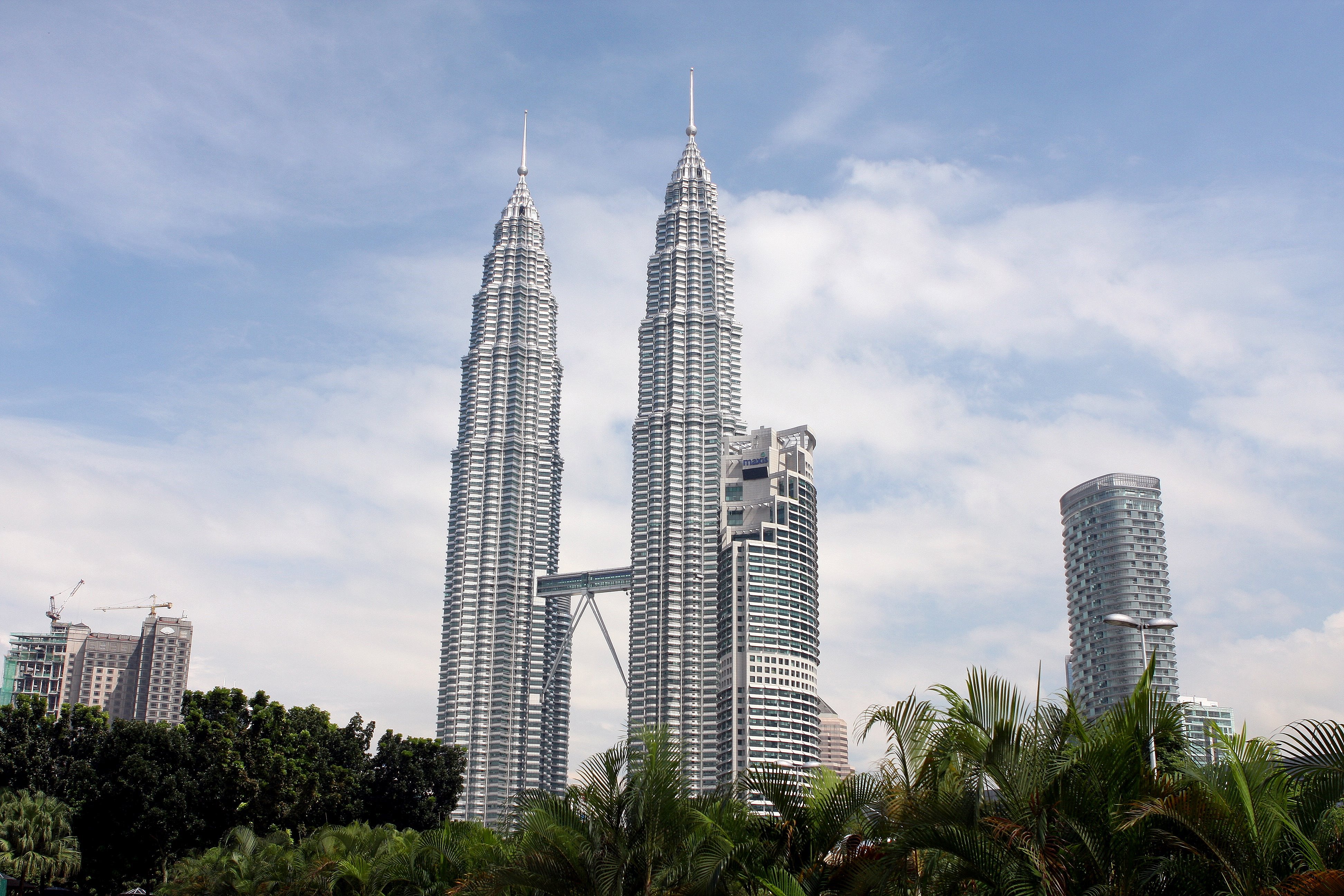

High-quality study tour programmes showcase advanced interactive teaching models from Western countries. Participants take part in practical training built upon professional knowledge, experience local traditional and modern sports and cultural activities, join community volunteer work in the host area, dive deep into local communities and ordinary residents’ daily lives. By living and dining with locals, they truly settle into and integrate themselves within a different cultural setting.
Meanwhile, such programmes organically combine learning and travel. In spare time from classes, participants can visit nearby scenic spots, admire beautiful landscapes, and perceive subtle cultural elements such as local lifestyles and values. Ultimately, the goal of “advancing academic learning and broadening horizons” is achieved.

点击右上角
分享给朋友吧







 Long by picture save/share
0

By choosing Rongyan Talent Service, you get professional, full-set solutions and a stable long-term partnership. We grow together and share mutual success.
Contact Person: Manager Liu
Consultation Hotline:18560668508
Contact Email:bowen@manpowerku.cn
Company Address: No.51 Taiping Road, Shinan District, Qingdao City, Shandong Province, China
Qingdao Rongyan Talent Service Co., Ltd.|Human Resources|Overseas Study|Overseas Employment Hotline:18560668508 Address: No.51 Taiping Road, Shinan District, Qingdao City, Shandong Province
Copyright © Qingdao Rongyan Talent Service Co., Ltd. All Rights Reserved.
Qingdao Rongyan Talent Service Co., Ltd.|Human Resources|Overseas Study|Overseas Employment Hotline:18560668508 Address: No.51 Taiping Road, Shinan District, Qingdao City, Shandong Province
Copyright © Qingdao Rongyan Talent Service Co., Ltd. All Rights Reserved.
Qingdao Rongyan Talent Service Co., Ltd.|Human Resources|Overseas Study|Overseas Employment Hotline:18560668508 Address: No.51 Taiping Road, Shinan District, Qingdao City, Shandong Province
Copyright © Qingdao Rongyan Talent Service Co., Ltd. All Rights Reserved.
By choosing Rongyan Talent Service, you get professional, full-set solutions and a stable long-term partnership. We grow together and share mutual success.
Contact Person: Manager Liu
Consultation Hotline:+8618560668508
Contact Email:bowen@manpowerku.cn
Company Address: No.51 Taiping Road, Shinan District, Qingdao City, Shandong Province, China
|Human Resources|Overseas Study|Overseas Employment Hotline:18560668508 Copyright © Qingdao Rongyan Talent Service Co., Ltd. All Rights Reserved. 鲁ICP备2023020946号-2
